The Core Challenge
Physician burnout is a critical issue in healthcare, with significant consequences for clinical quality, patient satisfaction, and workforce retention. As a result, finding practical solutions to reduce burnout is essential. For this reason, AI-driven scribing has emerged as a promising solution, capable of reducing administrative burdens and improving physician well-being.
The stakes are high, and the consequences of inaction can be devastating. By contrast, effective implementation of AI-driven scribing can significantly improve clinical quality, reduce physician burnout, and enhance patient satisfaction. In practice, this requires a fundamental shift in how healthcare organizations view technology, from a secondary concern to a primary strategic imperative.
Why This Is Harder Than It Looks
The challenges of implementing AI-driven scribing are complex and multifaceted. Even so, common failure modes include inadequate training, insufficient investment in infrastructure, and a lack of standardization. In practice, these issues can lead to significant barriers to adoption, leaving healthcare organizations vulnerable to clinical and operational risks.
More importantly, the impact of AI-driven scribing extends beyond clinical quality. Taken together, the effects on staff morale, patient satisfaction, and overall system resilience can be devastating. As a result, addressing these challenges requires a comprehensive approach that involves clinical, operational, and financial stakeholders.
A Framework for AI-Driven Scribing
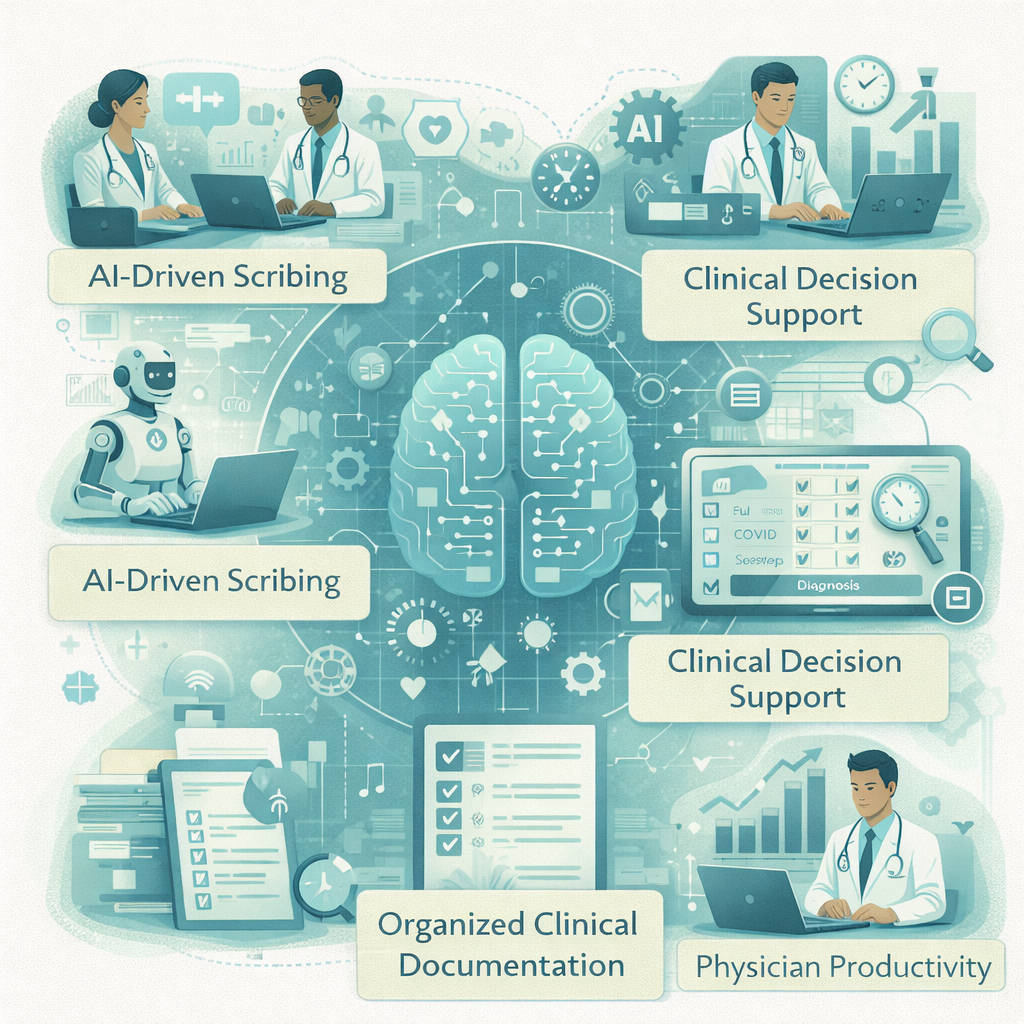
To tackle the complex challenges of AI-driven scribing, a structured framework is necessary. This framework should include three key components: clinical documentation, workflow optimization, and change management. By focusing on these areas, healthcare organizations can identify and address barriers to adoption, streamline processes, and improve overall scribing quality.
Clinical Documentation
Clinical documentation is a critical component of AI-driven scribing. It involves ensuring that clinical data is accurate, complete, and accessible. In practice, this requires investment in clinical documentation improvement and the employment of experienced staff to manage the process.
Workflow Optimization
Workflow optimization is also essential. It involves streamlining clinical workflows, reducing administrative burdens, and improving physician productivity. To that end, healthcare organizations should invest in workflow optimization and employ experienced staff to manage the process.
The SummitPoint Perspective
At SummitPoint Clinical Strategies, we approach AI-driven scribing with a physician-led, operationally grounded methodology. Our team of experts works closely with healthcare organizations to identify and address barriers to adoption, implementing tailored solutions to improve scribing quality. For this reason, we hold that AI-driven scribing is a practical solution to workforce retention challenges and that prioritizing it is essential for delivering high-quality patient care.
The Question Worth Asking
As healthcare organizations navigate the complex landscape of AI-driven scribing, a critical question arises: what are the key drivers of scribing quality in our organization, and how can we address them to improve clinical quality, reduce physician burnout, and enhance patient satisfaction?