
The Core Challenge
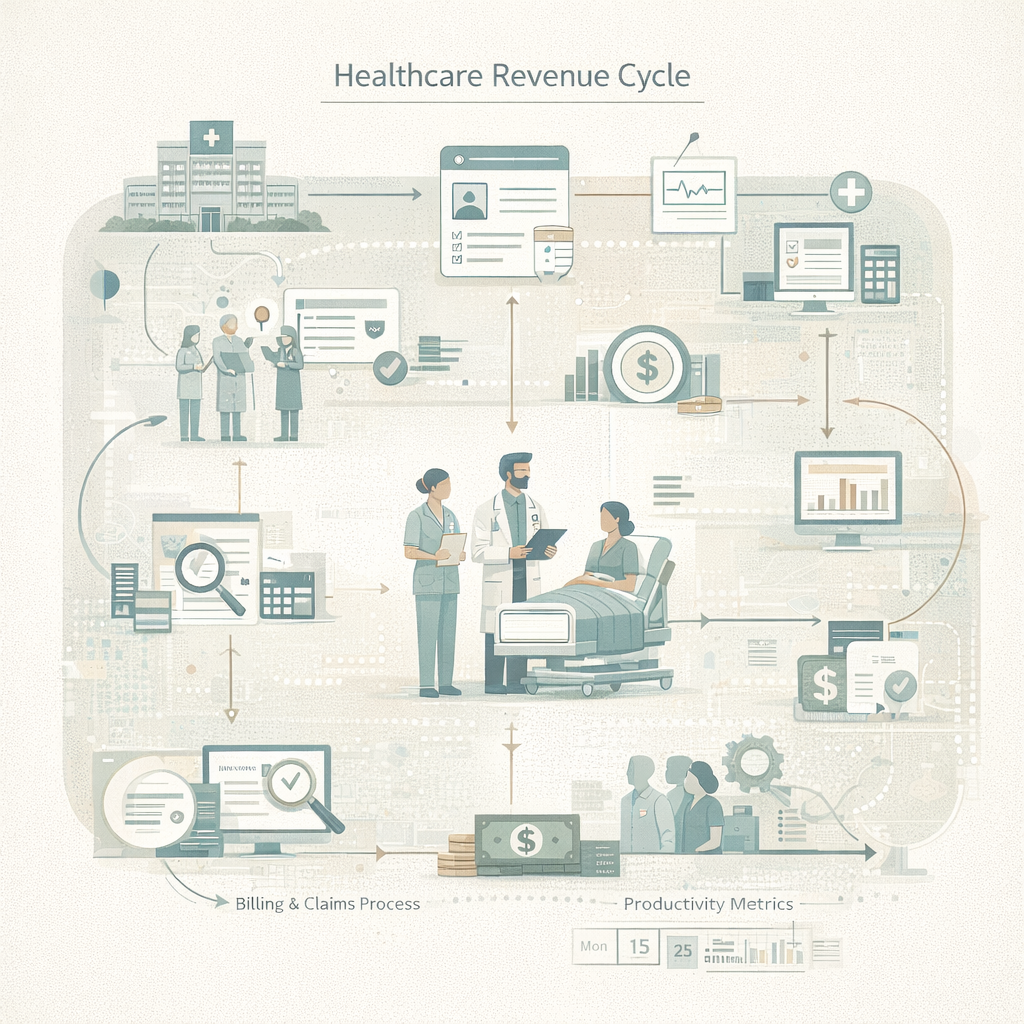
Revenue cycle management in healthcare is facing a critical juncture. As the financial backbone of any health system, its efficiency directly affects the ability to invest in clinical quality initiatives. For this reason, optimizing revenue cycle management is essential for maintaining high standards of patient care.
The current state of revenue cycle management is characterized by inefficiencies and waste. By contrast, a well-optimized revenue cycle can significantly improve a health system’s financial performance, enabling investments in new technologies, staff, and facilities.
Why This Is Harder Than It Looks
The root causes of revenue cycle inefficiencies are complex and multifaceted. Even so, common failure modes include inadequate patient access, inefficient billing processes, and a lack of transparency in financial reporting. In practice, these issues can lead to delayed or denied payments, resulting in significant financial losses for health systems.
More importantly, the impact of revenue cycle inefficiencies extends beyond financial performance. Taken together, the effects on patient care, staff morale, and overall system resilience can be devastating. As a result, addressing these challenges requires a comprehensive approach that involves clinical, operational, and financial stakeholders.
A Framework for Revenue Cycle Optimization
To tackle the complex challenges of revenue cycle management, a structured framework is necessary. This framework should include three key components: patient access, billing and reimbursement, and financial reporting. By focusing on these areas, health systems can identify and address inefficiencies, streamline processes, and improve overall financial performance.
Patient Access
Patient access is a critical component of revenue cycle management. It involves ensuring that patients have a seamless experience, from scheduling appointments to receiving care. In practice, this requires effective communication, streamlined registration processes, and adequate staffing levels.
Billing and Reimbursement
Billing and reimbursement processes are also essential for revenue cycle optimization. This involves ensuring that claims are submitted accurately and efficiently, and that payments are received promptly. To that end, health systems should invest in automated billing systems and employ experienced staff to manage the reimbursement process.
The SummitPoint Perspective
At SummitPoint Clinical Strategies, we approach revenue cycle management with a physician-led, operationally grounded methodology. Our team of experts works closely with health systems to identify and address inefficiencies, implementing tailored solutions to optimize revenue cycle performance. For this reason, we hold the principle that revenue cycle management is a critical component of clinical quality initiatives, and that optimizing it is essential for delivering high-quality patient care. Contact us to learn more.
The Question Worth Asking
As health systems navigate the complex landscape of revenue cycle management, a critical question arises: what are the key drivers of revenue cycle inefficiencies in our organization, and how can we address them to improve financial performance and deliver high-quality patient care?